
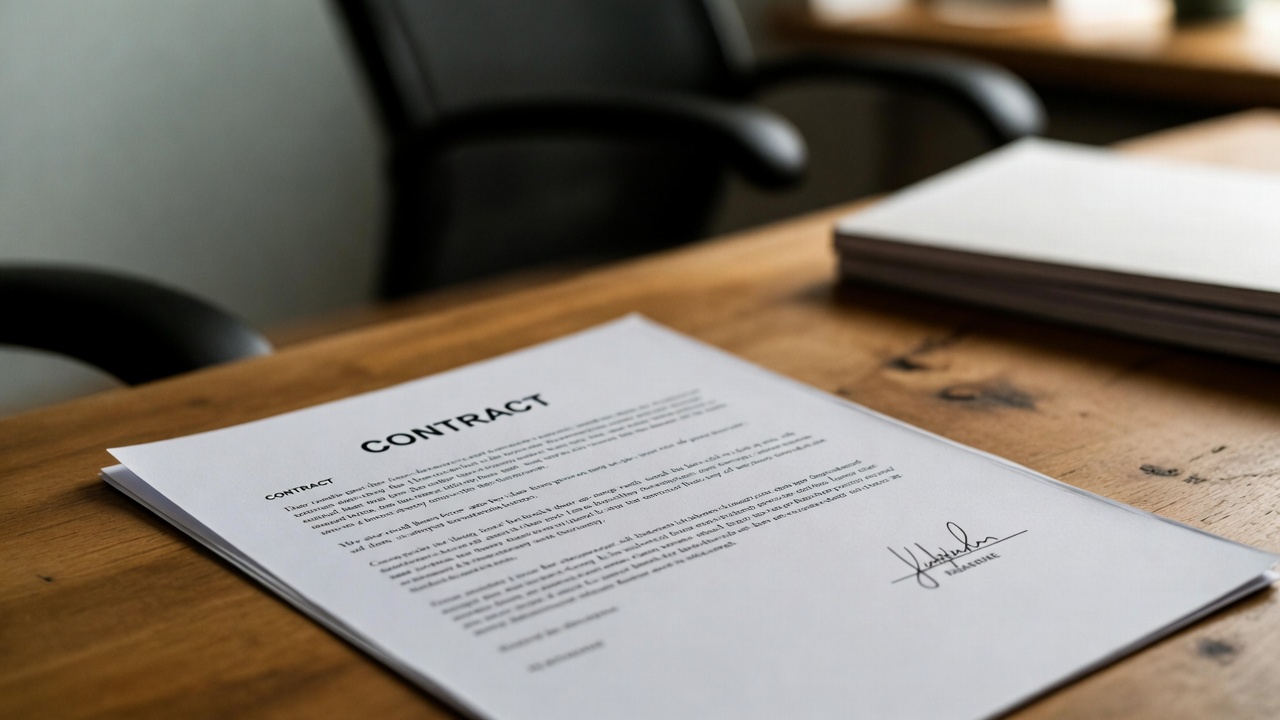
Once an agreement is signed, the timing and contents of that signed document matter. Questions often arise later about what was signed, when it was signed, and whether a specific version was in effect at a given moment.
Proof of Date helps establish when a signed agreement existed in its final form, creating an independent, time-stamped record of the exact document.
Why signed agreements are time-stamped
- Signed documents are later challenged or questioned
- Multiple signed versions may exist
- Dates on documents can be disputed
- Files may be altered, replaced, or lost over time
By recording a signed agreement with Proof of Date, you preserve a verifiable snapshot of the document as it existed after execution.
What can be documented
- Fully signed contracts
- Digitally signed agreements
- Countersigned documents
- Final executed PDFs
- Signed amendments or addendums
The record reflects the document itself, not just the stated signature date.
Evidence after execution
When disputes occur, it is not enough to say an agreement was signed. You may need to show what was signed and when that signed version existed.
Proof of Date does not replace signatures, notarization, or legal counsel. It strengthens your records by adding independent, third-party time evidence tied directly to the signed file.
Preserve the final truth
Your documents can remain private. Nothing is published or shared. You control what is recorded and when.
Sometimes the most important proof is simply this:
“This signed agreement existed on this date.”