Every invention begins as an idea. Long before patents are filed or products are built, concepts exist as notes, sketches, diagrams, and early descriptions. These early stages often carry the highest risk and the highest value.
Proof of Date helps inventors establish when an invention concept existed, creating independent evidence of early conception and development.
Why invention concepts need documentation
- Ideas are discussed before protections are in place
- Concepts are shared with partners, engineers, or investors
- Development happens over time, not all at once
- Ownership and originality can be questioned later
By time-stamping invention concepts as they evolve, you create a clear record of your inventive timeline.
What can be documented
- Written descriptions of invention ideas
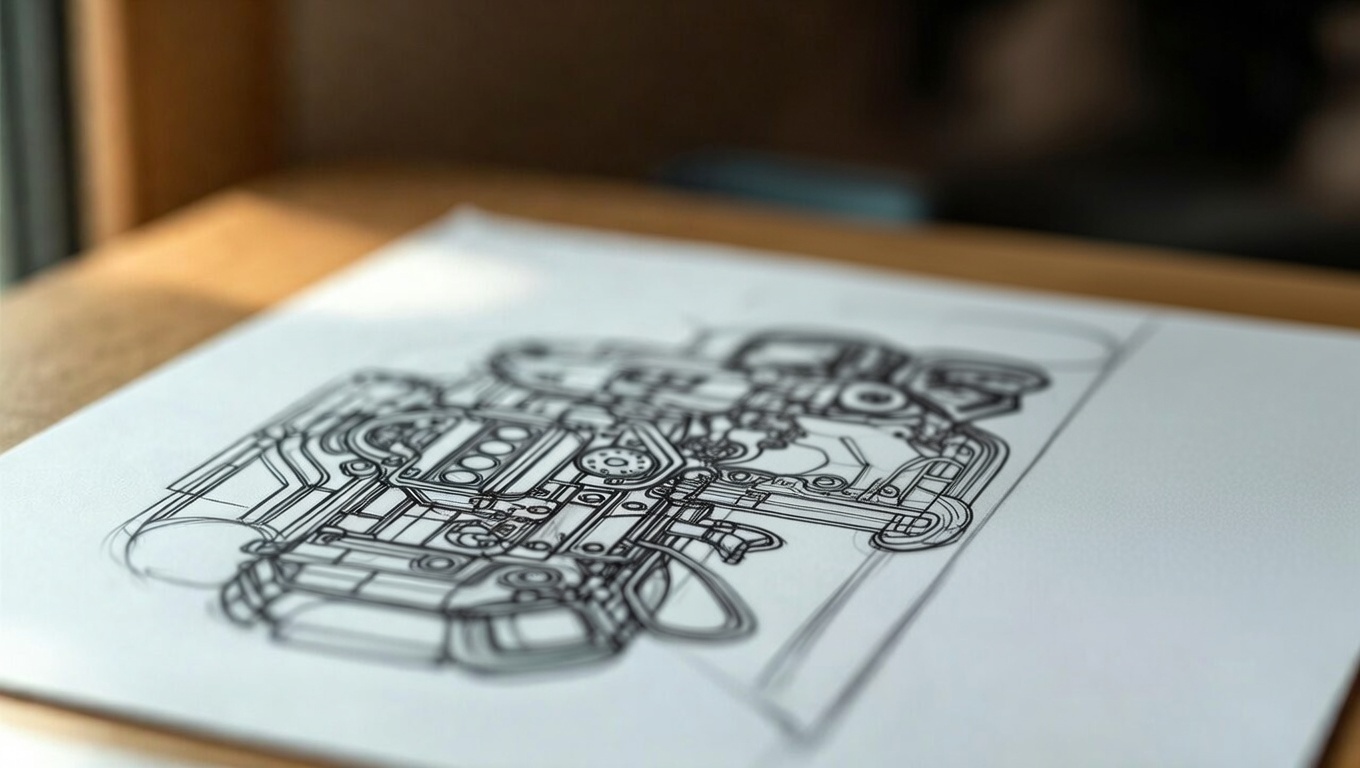
- Sketches, drawings, and diagrams
- Technical notes and design rationale
- Early specifications or workflows
- Iterations and refinements of the concept
Each version matters. Proof of Date allows you to capture progress from the moment an idea takes shape.
Before patents and public disclosure
Once an invention is publicly disclosed, timelines become critical. Proof of Date allows you to demonstrate prior conception and development before disclosure, filing, or collaboration.
Proof of Date does not replace patents, provisional applications, or legal counsel. It complements formal IP protection by preserving early evidence of invention.
Protect ideas without exposing them
Your files can remain private. Nothing need to be published or shared. You decide what to record and when.
Sometimes the most important proof is simply:
“This invention concept existed on this date.”